Environment & Natural Resources
Soil, Water and Plant Characteristics Important to Irrigation - AE1675
Irrigation is the application of water to ensure sufficient soil moisture is available for good plant growth throughout the growing season. Irrigation, as practiced in North Dakota, is called "supplemental irrigation" because it augments the rainfall that occurs prior to and during the growing season.
Funding Assistance Programs for Irrigation Development in North Dakota -AE1674
This publications provides information on financial incentives for irrigators and irrigation districts.
Beef Feeding Operation Siting and Design Basics - NM1155
One of the most important decisions when planning any livestock facility is site selection. The site for the feedlot operation must not only be suitable for housing, handling and feeding cattle, but also must ensure that surface and ground waters are protected and the impact from odors is minimized. Whether you are planning a new facility or modifying an existing one, the following information may help avoid costly mistakes.
Care and Maintenance of Irrigation Wells - AE97
Effective irrigation is not possible without a reliable water source. In North Dakota, the availability of relatively shallow aquifers with high-quality water has spurred the development of irrigation in many areas. Irrigation wells must produce a high volume of water during the driest months: July and August. To maintain consistent, high production from year to year, a well requires annual maintenance, just like any other piece of valuable equipment.
Planning To Irrigate: A Checklist - AE92
Installing an irrigation system on a piece of land requires a great deal of planning and a significant financial investment.
Determining Grazing Readiness for Native and Tame Pastures - R1061
Proper pasture and range management begins early in the spring. A major decision to be made is: When to start grazing?
Drylot Beef Cow/Calf Production - AS974
The drylot beef cow/calf enterprise is an alternative management system to traditional pasture or range beef production. Strictly defined, it is feeding confined cow/calf pairs in a feedlot environment during part or all of the traditional summer or fall- winter grazing season. In a practical sense, it means feeding confined cows and calves forages, crop residues and grains that may have more value marketed through cattle than as a cash crop. Many cattlemen manage their cows in drylot during the winter and after calving until pastures are ready.
Irrigation Water Sample Analysis AE-1360
Each soil series has been classified as irrigable, conditional or not irrigable. Compatibility classifications are based on slope, sodicity, salinity, permeability, restrictive subsoil layering or depth to bedrock.
2012 Dry Bean Grower Survey of Production, Pest Problems and Pesticde Use in Minnesota and North Dakota - E1640
The 2012 dry bean grower survey is the 23rd annual assessment of varieties grown, pest problems, pesticide use and grower practices of the Northarvest Bean Growers Association, an association of dry edible bean growers in Minnesota and North Dakota.
Containment Pond Management - NM1626
This publication offers advice on livestock containment pond maintenance and management.
Individual Home Sewage Treatment Systems - AE892
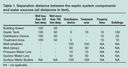
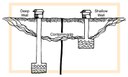
This publication contains information on the design, installation and maintenance of individual home sewage treatment systems. It is meant to be a homeowner reference document. An individual sewage system both treats and disposes of household wastewater. If a homeowner understands how the various components of a home sewage system work, then a properly designed and installed system will function for many years with a minimum of maintenance and upkeep
Dutch Elm Disease in North Dakota: A New Look - PP1635
Dutch elm disease (DED) has been spreading across North America since the 1920s. It first was reported in North Dakota in Mandan in 1969, and it reached eastern North Dakota by 1973. DED has been confirmed in every North Dakota county.
North Dakota CAFO Operators Record Book - NM1306
By using this record book, North Dakota CAFO operators will meet the recordkeeping requirements of the North Dakota guidelines for AFOs and CAFOs that are not included in a nutrient management or mortality plan.
2013 North Dakota Crop insect Management Guide - E1143
This is your reference copy of the 2013 edition of the North Dakota Insect Management Guide. The recommendations conform to the current federal and state laws and regulations relating to pesticidal chemicals at the time of printing. However, because pesticide recommendations frequently are subject to change, and inasmuch as this publication is revised only once each year, keeping in contact with North Dakota State University for up-to-date information on possible changes in insecticide registrations and use patterns is extremely important.
North Dakota Manure Fertilizer Use Recommendations - NM1629
Multiple years of manure fertilizer use research in ND have shown that manure can be used as a fertilizer but there are management considerations. If the manure is used on short season crops such as wheat, some supplemental nitrogen fertilizer is needed. If used on a longer season crop such as corn, manure can be a complete substitution for commercial fertilizer.
Water Softening (Ion Exchange) - WQ1031
Standard water softeners found in home supply and hardware stores will remove nearly all the calcium and magnesium from the raw water during the softening process. Softeners also will remove up to 10 parts per million (ppm) of iron and manganese. Water supplies with high levels of iron and manganese (greater than 10 ppm) may need pretreatment to prolong the lifespan of a water softener.
IPM Basics Integrated Pest Management in North Dakota Agriculture - PP863
Integrated pest management (IPM) is an integral part of North Dakota’s agriculture. IPM is a program to manage pests that combines a number of strategies to reduce pest risks while protecting the environment, wildlife and people. The goal of IPM in agriculture is to produce safe, abundant and affordable food, feed and fiber. The target pests generally are weeds, insects, and disease-causing organisms such as fungi, bacteria, viruses and nematodes.
Baseline Water Quality in Areas of Oil Development - WQ1614
As oil development increases in North Dakota, private water well owners may be concerned about the quality and quantity of water they use or may use in the future.
Blister Beetles - E1002
Blister beetles are infrequent pests of several crops including alfalfa, sweet clover, potatoes, beans, and sugar beets. They are also injurious to a wide variety of vegetables and many flowers and other ornamentals. They normally cause limited plant damage. However, when they are ingested by horses or other livestock, serious illness or even death may result.brief summary
Evaluation of Soils for Suitability for Tile Drainage Performance - SF1617
The presence of salts and high water tables in North Dakota soils due to an extended climactic wet cycle recently has stimulated interest in the installation of tile drainage systems. The tile controls the water table and encourages the leaching and removal of salts from the soil above the tile lines. This improves soil productivity, culminating in improved crop yields.